Proudly serving Huntsville
Storm Damage Restoration Huntsville
- Serving the Hampton Cove–Madison corridor
- Itemized, upfront pricing
- No pressure to sign today
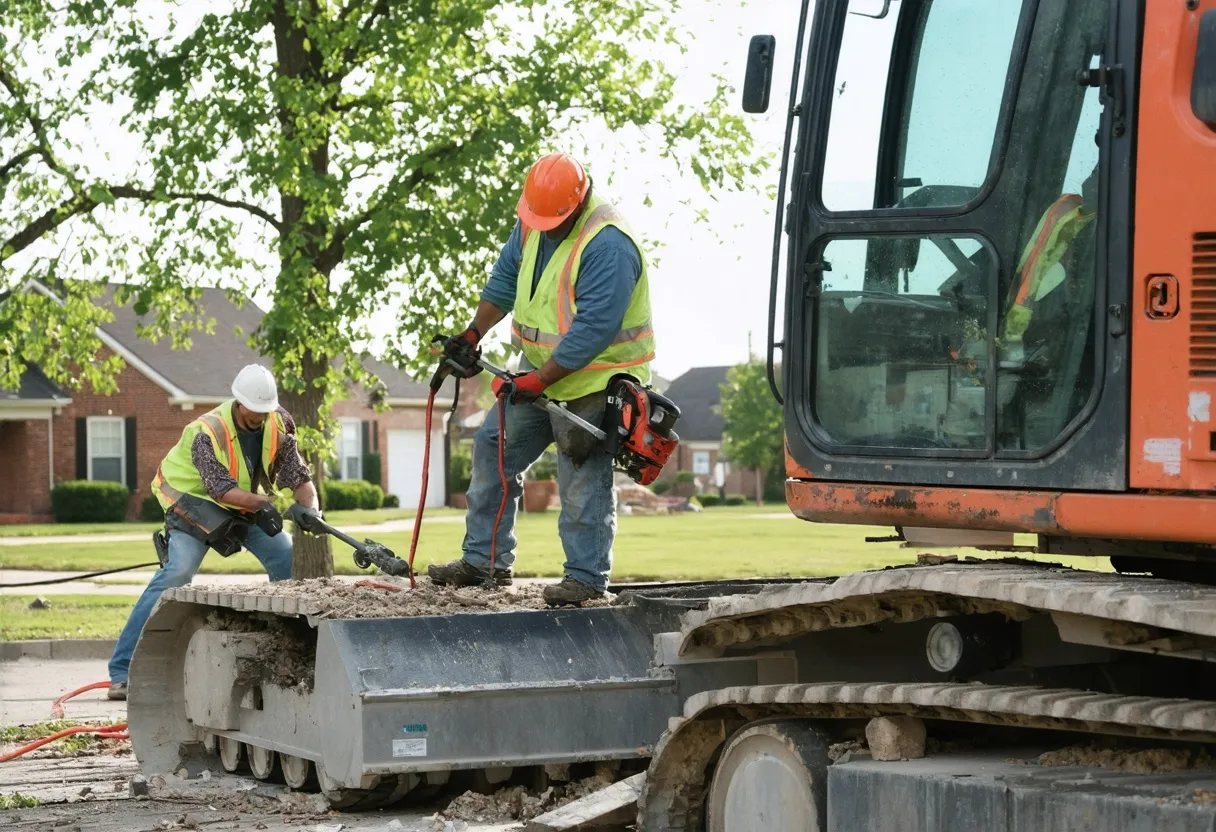
When a line of storms builds over the Tennessee River and pushes east across the Huntsville metro, the damage rarely stops at the roofline. Wind lifts a ridge cap, hail bruises a slope nobody checks from the ground, and water finds the opening within the hour. By the time a stain shows up on a ceiling, insulation and framing above it have usually been wet for days. Storm damage restoration in Huntsville is really two jobs stacked on top of each other: stopping the intrusion fast, and then proving — to you, and to your insurance carrier — exactly what happened and exactly what it takes to put the structure back.
This page is built around that second part, because it's the part most restoration marketing skips. We publish our licensing and insurance status, we run every job through the same documented five-step process whether it's a hail-damaged roof or a full rebuild, and we back finished work with a stated workmanship warranty. You shouldn't have to take any of that on faith from a crew that showed up the week after a headline storm and may not be answering the phone six months from now.
Why Huntsville Storms Damage Homes Differently Block by Block
North Alabama sits in a corridor that regularly sees straight-line wind, hail, and occasional tornado activity moving through the Tennessee Valley, and Huntsville's terrain makes the damage pattern anything but uniform. Ridge-top and older established neighborhoods closer to town were built to different roofing and framing conventions than the newer subdivisions pushing out through Harvest and toward Madison, and that age gap shows up directly in how a house takes a hit. Older roof decking and flashing details fail in different places than newer construction does, and a contractor who only works one building era will miss the failure points common to the other.
Tree exposure is its own variable. Hampton Cove and Owens Cross Roads both carry mature hardwood canopy on larger lots, which means limb strikes and full tree falls are a recurring, not occasional, cause of roof and structural damage after a wind event — and a canopy that looks fine from the driveway can still be carrying storm-loosened limbs that come down in the next system. Homes near Redstone Arsenal and in the tighter-lot areas around it face less tree risk but more direct wind and hail exposure with fewer windbreaks. And because the same weather systems that hit Huntsville frequently track on toward the Guntersville area, we see the damage patterns repeat: it's the same storm line, doing different things to different roof pitches, tree cover, and construction age.
The practical upshot is that a generic storm inspection checklist misses things a locally-informed one catches. Roof pitch, decking age, canopy density, and how a specific neighborhood was originally built all change what we look for on the first walk, and that's before a single moisture reading gets taken.
The First 48 Hours After Storm Damage in Huntsville
Emergency tarping, board-up, and water extraction happen before the full damage scope is even written down, because every additional hour of exposure increases what has to be replaced instead of dried.
We photograph and take moisture readings on the exterior, the attic decking, and any interior intrusion points before anything is moved or cleaned, so the record supports your insurance claim instead of getting created after the fact.
We check roof slopes from multiple angles, flashing around chimneys and vents, and attic decking from the inside, since water staining and canopy damage often show up before they've reached the ceiling below.
If you're filing a claim, we hand you a scope built from the assessment rather than a guess, so the conversation with your adjuster starts from evidence instead of an estimate you have to defend on your own.
What Storm Damage Restoration Actually Covers
Insurance Claims and What Actually Drives the Cost
Storm restoration estimates vary widely for a simple reason: the damage itself varies widely, and a fair estimate has to reflect what's actually happening inside the structure, not a flat per-square-foot number. A few factors do most of the work in separating a smaller repair from a large one. How long water sat before mitigation started matters more than almost anything else, because moisture spreads laterally through framing and subfloor the longer it's left, and mold risk rises with every additional day. Whether the scope is structural or cosmetic matters too — replacing hail-bruised shingles is a different project than replacing saturated decking and rafters underneath them, even though both can start from the same storm event.
Material selection on the rebuild side is another real variable, particularly when a restoration turns into an opportunity to update finishes rather than replace them like-for-like. And when insurance is involved, cost outcomes depend heavily on how closely the approved scope matches the documented damage, which is exactly why the assessment and photo record from the first visit matters as much as the repair work itself. We coordinate directly with your adjuster when you're filing a claim — you remain the policyholder and the decision-maker, but we handle the contractor side of that conversation so the scope we document is the scope that gets approved.
Before work starts, you get a written, itemized estimate that lays out what's driving the number, so cost factors are visible up front rather than surfacing as change orders midway through the project. We won't publish a blanket price on this page, because doing so before an inspection would mean guessing at your specific damage — but every estimate we give is broken down by scope item, not handed over as a single lump figure you have to trust blind.
Verify Before You Sign Anything
Storm season brings door-to-door crews who collect a deposit and disappear before a warranty period would ever start. We are a licensed, insured general contractor with BBB accreditation, and that documentation is available for you to review before you sign a contract or sign over insurance proceeds to anyone.
Storm Damage Restoration Questions Huntsville Homeowners Ask
How fast should I call after storm damage in Huntsville?
Call as soon as the damage happens, ideally before you've even finished talking to your insurance company. Emergency tarping, board-up, or water extraction can start the same visit, while documentation and claim coordination move forward in parallel — waiting increases both the mold risk and the total scope of repair.
Will you work directly with my insurance adjuster on a storm claim?
Yes. Our initial assessment is documented specifically so it supports your claim, and we coordinate scope and estimates directly with your adjuster. You stay the policyholder and make the final decisions, but you're not managing the contractor conversation alone.
Do I need a permit for storm damage repair in Huntsville?
It depends on scope. Cosmetic repairs like replacing a run of siding generally don't require a permit, while structural roof repair, electrical work, or plumbing repair tied to storm damage generally does. We determine what's required during planning and file it on your behalf.
What's the difference between storm damage restoration and water damage restoration?
Storm damage restoration usually starts with an exterior breach — wind, hail, or a fallen limb — that then lets water in behind it, so the job covers both the entry point and what came through it. Standalone water damage restoration can originate from a plumbing failure or grading issue with no storm involved at all, but the drying and rebuild process that follows is largely the same.
How long does structural drying take before rebuild work starts?
It depends on how much moisture is in the framing and subfloor, which is why we use moisture meters and monitor drying progress over days rather than doing a single pass with air movers and calling it done. Rebuild starts once materials are actually at target moisture levels, not on a fixed calendar guess.
What areas around Huntsville do you cover for storm response?
We respond across the Huntsville metro and its growth corridor, including Hampton Cove, Harvest, Owens Cross Roads, Madison, and homes near Redstone Arsenal, since the same weather systems that hit Huntsville typically track through this whole stretch of the Tennessee Valley toward the Guntersville area.
Why a Documented Local Process Beats a Storm-Chasing Crew
The reason we lead with credentials and process on this page instead of a generic damage checklist is that storm restoration is exactly the kind of work that attracts contractors who never intend to be reachable in six months. A workmanship warranty only means something if it's backed by a business you can still call after the crew that built the job has moved on to the next storm-hit city. Ours is tied to a local, licensed, insured, BBB-accredited operation, and that standing is public record, not a claim on this page.
Every storm job — whether it's emergency tarping on a Tuesday afternoon or a full rebuild that stretches over several weeks — runs through the same five-stage process: inspection and assessment, scope and estimate with insurance coordination if you're filing a claim, permitting and scheduling, construction, and a final walkthrough where the workmanship warranty activates on the finished work. That consistency is what keeps a storm-driven project from turning into the scope disputes that make restoration work's reputation worse than it needs to be.
If you're dealing with active storm, wind, or water intrusion anywhere in the Huntsville area right now, the priority is stopping the damage and getting an honest, documented assessment — both of which happen on the first visit, before you're asked to sign anything.
Get your free quote
Tell us about the project — pricing comes back in writing, with no pressure attached.
Ready to talk about your project?
Reach out and get a clear, no-obligation quote.